Are you worried about the safety of your team that works on roofs, ladders or something off the ground? No room for guesswork there. For complete safety, you need to be alert as working at heights is not a common task. This is where even a small mistake can turn into a serious problem.
Across Melbourne, height-related work is done every day. Roofing, maintenance, solar installs, cleaning and warehouse operations are some of the common jobs. Some take it seriously from the first day, while others take it otherwise, after something goes wrong.
This guide is for those who want to do it properly from the start.
What “Working at Heights” Actually Means
People often think it’s only about being on a roof. It’s not.
If there’s any chance someone can fall and get hurt, it counts.
That includes:
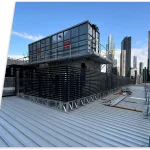
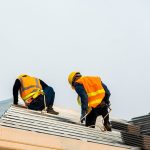
- Working on rooftops
- Using ladders
- Standing on scaffolding
- Operating elevated platforms
- Even working near edges without protection.
So yeah, it’s broader than most people assume. That’s why having a proper working at heights safety guide in place matters more than people realise.
Why Most Incidents Happen (And How to Avoid Them)
Let’s be honest—most falls don’t happen because of “bad luck.”
They happen because:
- No proper planning was done.
- Someone skipped safety steps to save time.
- Equipment wasn’t installed correctly.
- Staff weren’t trained properly.
It’s usually simple stuff that gets ignored.
And that’s the frustrating part—most of it is preventable.
Understanding the Rules in Victoria (Without the Legal Jargon)
If you’re running a business in Victoria, you’re expected to manage risks properly. Not perfectly—but responsibly.
The idea is simple:
First, try to remove the risk completely.
If you can’t, reduce it as much as possible.
Only rely on gear like harnesses when there’s no better option.
A lot of businesses jump straight to harnesses. But that’s actually the last step, not the first.
These height safety regulations VIC are built around common sense—but they’re taken seriously when something goes wrong.
Real-World Situations Where Risk Shows Up
You don’t need to be in construction for this to matter.
Here’s where businesses usually run into trouble:
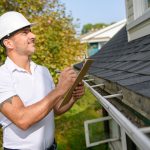
- Cleaning gutters without proper edge protection
- Quick roof inspections without anchor points
- HVAC work done “just for a few minutes.”
- Workers are using ladders the wrong way.
- No clear safe access paths on rooftops
That “just 5 minutes ka kaam hai” mindset? That’s where most problems start.
The Safety Systems That Actually Make a Difference
Now let’s talk about what actually helps—not theory, but real stuff used on-site.
Anchor Points
These are fixed points where workers can attach themselves. If someone slips, they don’t fall off completely.
Lifeline Systems
These allow movement across roofs while staying connected the whole time.
Guardrails
One of the safest options. No action needed from workers—it just prevents falls.
Walkways
Defined paths that guide people to walk safely on roofs.
Harness Systems
Important—but only when nothing else works. And they must be used correctly.
For proper fall protection compliance, it’s not about having one of these—it’s about using the right system for the right job.
Compliance Is More Than Just Equipment
A lot of companies think, “We bought harnesses, we’re sorted.”
That’s not how it works.
Real compliance looks like this:
- You’ve assessed the risks.
- You’ve documented how work should be done.
- Your systems are properly installed.
- Your team actually knows what they’re doing.
- You check and maintain everything regularly.
Miss one of these, and you’re exposed—legally and physically.
Training: The Thing People Ignore Until It’s Too Late
Equipment doesn’t save lives—people using it correctly do.
Your team should know:
- How to spot risks before starting work
- How to use safety gear properly
- What to do if something goes wrong
- How to check equipment before using it
And not just once. Training needs to be ongoing.
Because people forget. And shortcuts creep in over time.
Why Professional Installation Matters
This is where cutting costs can backfire badly.
Installing safety systems isn’t just drilling something into a roof. It needs a proper understanding of structure, load capacity, and compliance standards.
If you’re serious about getting it right, working with specialists like Victorian Roof Access makes a big difference.
Done properly, you get:
- Certified systems
- Correct documentation
- Peace of mind knowing it’ll actually hold if needed.
Done badly? It’s just a false sense of safety.
Don’t Ignore Maintenance (This Is Where Many Fail)
Even the best system won’t stay safe forever.
Things wear out. Weather damages equipment. Fixings loosen.
That’s why regular inspections matter.
At minimum:
- Annual professional inspections
- Quick checks before use
- Immediate review after any incident
Ignoring this part is one of the biggest reasons businesses fall out of compliance.
Simple Things That Actually Improve Safety
No overthinking—just practical steps:
- Don’t rush height work. Ever.
- Never let untrained staff handle it.
- Replace damaged gear immediately.
- Keep records of inspections.
- Make safety part of daily routine, not just audits
It’s the boring, consistent stuff that actually keeps people safe.
Final Word
Working at heights isn’t something you manage “when needed.” It has to be built into how your business operates.
For companies in Melbourne, following height safety regulations VIC and meeting fall protection compliance AU standards isn’t just about avoiding fines.
It’s about making sure no one gets hurt doing their job.
If you take anything from this working at heights safety guide, let it be this: don’t cut corners. Not on training, not on equipment, not on systems.
With height safety compromise, small shortcuts can lead to big consequences.