If your building has roof anchors, lifelines, guardrails, or any kind of height safety setup, there’s one thing you can’t afford to ignore—inspections. Not once, not “when you remember,” and definitely not only after something goes wrong.
Across Melbourne, a lot of businesses install roof safety systems with good intentions… and then forget about them. This guide breaks it down in a simple, no-nonsense way—how often inspections should happen with Victorian Roof Access, what affects that timing, and where most people slip up.
The Short Answer (What Most People Came Here For)
In Australia, roof safety systems should be inspected:
- At least once every 12 months (this is the standard expectation)
- After any fall or incident
- After major weather events (storms, heavy winds, structural impact)
- Before using the system, if it hasn’t been used in a while
That’s your baseline roof safety inspection frequency.
But here’s the thing—“once a year” isn’t always enough. It depends on how your system is used and what it’s exposed to.
Why Annual Inspections Are the Minimum, Not the Goal
A lot of people treat yearly inspections like a box to tick. Get the certificate, file it away, done.
But systems don’t wear out on a schedule.
Things like:
- Constant sun exposure
- Heavy rainfall
- Coastal air (corrosion)
- Frequent use by contractors
…can all speed up wear and tear.
So while annual checks meet basic safety compliance inspections in VIC, they don’t always reflect real-world conditions.
What Actually Happens If You Skip Inspections?
Let’s keep it real—nothing obvious happens at first.
The system still “looks fine.” People keep using it. Work continues.
Until one day:
- A fixing point fails.
- A lifeline gives way.
- A harness connection doesn’t hold
And that’s when inspection gaps become serious problems.
The dangerous part is that most issues aren’t visible from the surface. You won’t notice internal weakening, corrosion, or stress damage unless a professional checks it properly.
What Gets Checked During an Inspection?
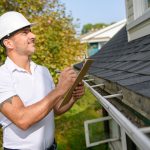
A proper inspection with Victorian Roof Access isn’t just a quick look around.
It usually includes:
- Testing anchor points for strength and stability
- Checking lifelines for tension, wear, and damage
- Inspecting fixings and structural connections
- Reviewing guardrails and walkways
- Making sure everything meets current standards
This is what proper height system checks actually look like—not just someone climbing up, having a glance, and heading back down.
Situations Where You Need More Frequent Inspections
There are plenty of cases where once a year simply isn’t enough.
High-Traffic Rooftops
Whenever a roof has high footfall from maintenance crews, HVAC work or solar servicing staff, you’ll need more frequent checks.
Harsh Weather Exposure
Buildings exposed to strong winds, heavy rain, or extreme heat will see faster wear.
Older Installations
Older systems may need closer monitoring, especially if documentation is unclear.
Industrial Environments
Factories or sites with chemical exposure or vibration can affect system integrity over time.
In these cases, inspections every 6 months—or even quarterly—can make sense.
The Role of Compliance in Victoria
In Victoria, the expectation is clear—you must ensure safety systems are maintained in a condition that’s safe to use.
That includes:
- Keeping inspection records
- Fixing issues promptly
- Making sure systems remain compliant over time
These safety compliance inspections VIC aren’t just about avoiding penalties—they’re about proving you’ve done your due diligence if something ever goes wrong.
Who Should Be Doing These Inspections?
Not just anyone. Inspections should be carried out by qualified professionals who understand:
- Load ratings
- Structural behaviour
- Australian standards
- Certification requirements
This isn’t a job for general maintenance staff or contractors who “know their way around tools.”
If you want proper results, you need people who specialise in height safety systems—like Victorian Roof Access, who deal with these systems day in, day out.
The Mistakes Businesses Keep Making
You’ll see the same issues again and again:
- Assuming installation = permanent compliance
- Skipping inspections because “nothing looks wrong.”
- Losing track of certification documents
- Letting unqualified people assess systems
- Delaying repairs after issues are found
None of these feels like a big problem at the time—but they build up.
A Simple Way to Stay on Top of It
If you don’t want to overcomplicate things, just follow this:
- Schedule a professional inspection every 12 months.
- Add reminders—don’t rely on memory.
- Log every inspection and repair.
- Do quick visual checks before use
- Call in experts if anything feels off.
It’s basic, but it works.
Final Thoughts
Roof safety systems are only as reliable as the last time they were checked.
You can have the best setup in place, but if it hasn’t been inspected in years, you’re taking a risk—whether you realise it or not.
For businesses across Melbourne, sticking to proper roof safety inspection frequency, keeping up with safety compliance inspections VIC, and taking height system checks seriously isn’t overkill—it’s just responsible.
Because when someone steps onto that roof, they’re trusting that everything up there will do its job.
And that trust should never be based on guesswork.