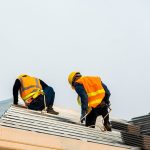
Have you ever been up on a roof, no matter if it’s for maintenance, inspection or installation? You will be confident about one thing: there is no shortcut for completely safe roof climbing.
One misstep can turn into a serious accident. That’s exactly why roof anchor points exist. They’re not just hardware bolted into a surface; they’re the backbone of any safe working-at-heights system.
In this roof anchor systems guide from Victorian Roof Access, we’ll break down what roof anchor points are, the different types available, where they’re used, and what compliance actually means in real-world terms. No fluff — just clear, practical insight.
What Are Roof Anchor Points?
Roof anchor points are fixed or temporary safety devices installed on a roof structure. Their main job is simple: provide a secure connection point for workers using fall protection equipment like harnesses, lanyards, and lifelines.
These anchors are a key part of fall arrest anchor systems, which are designed to stop a fall mid-air and minimise injury. Without a properly installed anchor, even the best safety gear won’t do much.
Why Roof Anchors Have More Importance Than You Ever Thought of?
People usually think that only safety gear alone is enough to do it all. It’s not.
Roof anchor systems:
- Prevent serious injuries and fatalities.
- Allow safe access to difficult roof areas.
- Guarantees compliance with safety regulations.
- Reduce liability for property owners and contractors.
Whether it’s a commercial building or a residential property, having proper safety anchor installation in place is not optional — it’s essential.
Types of Roof Anchor Points
Not all anchors are the same. The right choice depends on the roof type, frequency of use, and the kind of work being done.
1. Permanent Roof Anchors
These are fixed directly into the structure and stay in place long-term.
Best for:
- Commercial buildings
- Frequent maintenance work
- High-risk access areas
They’re reliable, always ready to use, and designed to handle repeated loads over time.
2. Temporary Roof Anchors
As the name suggests, these are installed for short-term use and removed once the job is done.
Best for:
- One-off projects
- Residential construction
- Short maintenance jobs
They’re cost-effective but still need to meet the same safety standards as permanent systems.
3. Single-Point Anchors
These anchors support one worker at a time.
Best for:
- Isolated tasks
- Smaller roof areas
They’re simple and effective but not suitable for team-based work.
4. Horizontal Lifeline Systems
This system allows workers to move across a roof while staying connected at all times.
Best for:
- Large commercial roofs
- Ongoing maintenance access
Instead of clipping in and out repeatedly, workers stay attached to a continuous line — much safer and more efficient.
5. Vertical Lifeline Anchors
Used for vertical movement, such as climbing ladders or accessing different roof levels.
Best for:
- Multi-storey buildings
- Industrial sites
Where Roof Anchor Points Are Used
Roof anchor systems aren’t limited to construction sites. You’ll find them in a wide range of industries:
- Commercial building maintenance
- Solar panel installation
- HVAC servicing
- Window cleaning on high-rise buildings
- Industrial facility inspections
Wherever anyone needs to work at height, the most important thing is the fall arrest anchors that work great.
Know More About Compliance (Without the Jargon)
Understanding compliance is something serious. In Australia, roof anchor systems must comply with strict safety standards, including:
- AS/NZS 1891 (Fall-arrest systems)
- AS/NZS 5532 (Manufacturing requirements for anchor points)
Compliance is not something to take casually— it ensures that:
- The anchor can handle the required loads.
- Installation is done correctly.
- Regular inspections are carried out.
Buying a non-compliant system means having no system at all, as it gives a false sense of security.
How does the Proper Safety Anchor Installation complete?
Installing roof anchors is not anyone’s job. It requires proper planning, structural understanding, and certified professionals.
A correct safety anchor installation involves:
- Assessing roof structure and load capacity
- Choosing the right anchor type
- Installing using approved methods and materials
- Testing the system after installation
- Providing certification and documentation
If any of the steps are skipped, then you may experience risk.
Common Mistakes to Avoid
Mistakes can bring immense loss. Here are a few issues that come up often:
- Installing anchors into weak roofing materials
- Using the wrong type of anchor for the job
- Skipping load testing
- Poor positioning (making anchors hard to reach)
- Lack of regular inspection and maintenance
These mistakes don’t just affect compliance — they put lives at risk.
Inspection and Maintenance: The Part People Forget
Installing anchors is only half the job.
To stay compliant and safe:
- Inspect every year any type of anchor systems.
- Check for any signs of wear, corrosion, or damage and repair them quickly.
- Records of inspections should be maintained.
A neglected system can fail when it’s needed most.
Selecting the Correct & Apt Roof Anchor System
This step usually depends on:
- Particular roof type (metal, concrete, tile, etc.)
- Number of times of use
- Number of workers
- Type of work being performed.
This is where working with specialists like Victorian Roof Access makes a difference. They understand not just installation, but long-term safety planning.
Final Thoughts
Roof work will always carry some level of risk — that’s unavoidable. But what is avoidable is unnecessary danger caused by poor planning or substandard systems.
A well-designed roof anchor system:
- Keeps workers safe
- Meets compliance standards
- Makes access easier and more efficient
If you’re responsible for a building, a team, or even just your own safety, investing in proper fall arrest anchors and professional safety anchor installation isn’t an extra cost — it’s a basic requirement.
And once it’s in place, you’ll have something that matters more than anything else on a job site: peace of mind.